Why the protein-to-calorie ratio matters, not just total protein
Not all protein-rich foods are equally efficient. Some pack a lot of protein but also a lot of fat and calories (like some aged cheeses or cured meats), while others provide a similar amount of protein for far fewer total calories. When your goal is losing fat while keeping muscle, prioritizing the latter makes things much easier, since it lets you hit your protein target without eating into your whole daily calorie budget.
💡 As a reference point, dietary guidelines typically recommend 1.6 to 2.2 g of protein per kg of body weight per day for active people aiming to lose fat or build muscle.
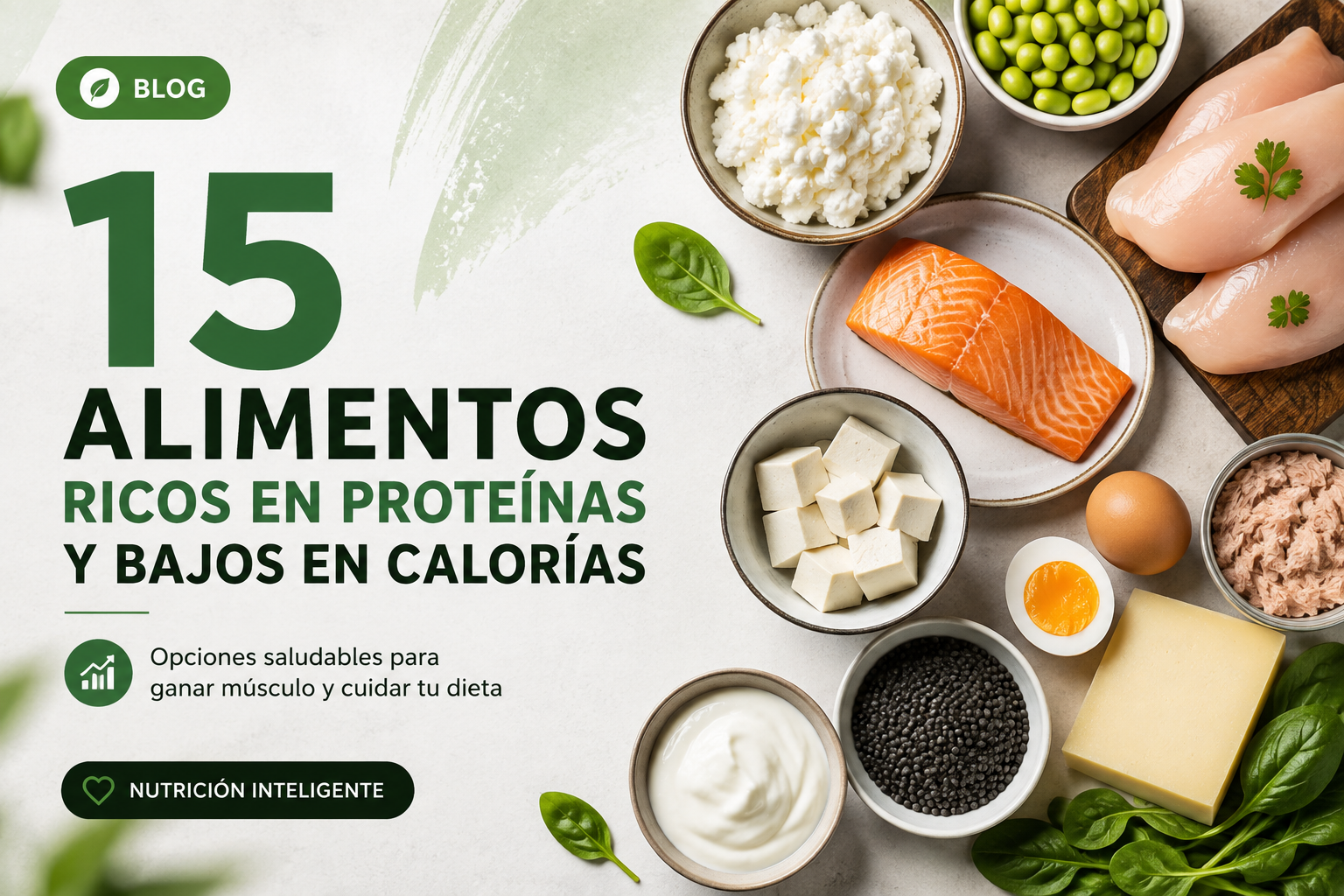
15 foods with the best protein-to-calorie ratio
| Food | Protein /100g | Kcal /100g |
|---|---|---|
| Chicken breast (skinless) | 31 g | 165 |
| Egg whites | 11 g | 52 |
| Hake | 17 g | 86 |
| Canned tuna in water | 26 g | 116 |
| Cottage cheese (low-fat) | 12 g | 72 |
| Shrimp / prawns | 24 g | 99 |
| Cod | 18 g | 82 |
| Greek yogurt, 0% fat | 10 g | 59 |
| Turkey breast | 29 g | 135 |
| Lean beef sirloin | 26 g | 158 |
| Cooked lentils | 9 g | 116 |
| Firm tofu | 17 g | 144 |
| Edamame | 11 g | 121 |
| Seitan | 25 g | 150 |
| Whey protein powder | 80 g | 380 (per 100g of powder) |
Animal vs. plant sources: any meaningful difference?
The animal sources on this list (chicken, fish, egg) contain all essential amino acids in optimal proportions and have slightly higher digestibility. The plant sources (lentils, tofu, edamame, seitan) can also fully cover your needs, especially if you combine different types of legumes and grains throughout the day — something we cover in more depth in our guide on how much protein you really need per day.
How to work these foods into your meals
- Breakfast: scrambled egg whites with vegetables, or 0% Greek yogurt with fruit.
- Lunch: grilled chicken breast or hake with vegetables and a serving of legumes.
- Snack: cottage cheese with a little fruit, or steamed edamame.
- Dinner: stir-fried tofu with vegetables or grilled turkey with salad.
🎯 There's no need to eat only these foods: you can combine them with slightly higher-calorie sources (whole eggs, salmon, lean red meat) without any problem, as long as your overall diet fits your calorie target.
Frequently asked questions
Is protein powder necessary to hit my target?
It's not essential. Protein powder is simply a convenient, concentrated way to boost intake when it's hard to hit your target with real food alone, but anyone can meet their needs using only whole foods.
Why do egg whites have so few calories compared to whole eggs?
Nearly all the fat in an egg is concentrated in the yolk. The white is essentially protein and water, which explains its excellent protein-to-calorie ratio, though the yolk also provides valuable nutrients like fat-soluble vitamins and choline.
Can I lose weight by eating only these foods?
No single food determines weight loss on its own: what matters is your total calorie balance. These foods simply make it easier to hit your protein target within a smaller calorie budget, which tends to help preserve muscle during a fat loss phase.
Find your ideal protein balance
With Comeloia you can photograph your meals and instantly see how much protein and calories each plate provides, to build a menu tailored to your goal without the guesswork.


Summary: what to remember
- The protein-to-calorie ratio matters as much as total protein intake.
- Chicken breast, egg whites, white fish and 0% Greek yogurt stand out for their excellent profile.
- Plant sources like lentils, tofu and edamame can also cover your needs with proper planning.
- Combining these foods with higher-calorie protein sources isn't a problem if the total fits your diet.
- Weight loss depends on total calorie balance, not any single food.
← Back to blog